Hajj-Umrah Services

Tragic Bus Crash in Saudi Arabia: An In-Depth Analysis
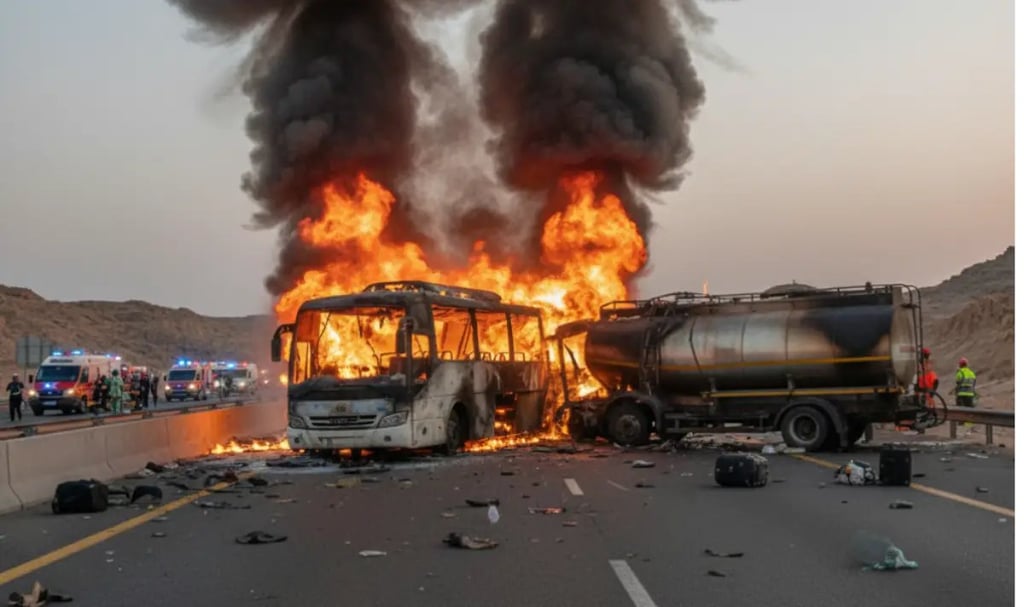
Tragic Bus Crash in Saudi Arabia: An In-Depth Analysis.Saudi Arabia bus crash updates: Hyderabad families shattered as 45 pilgrims die; Last rites to be conducted in Saudi After spending a week in Mecca, the pilgrims were heading to Medina when their bus collided with a diesel tanker in the early ho
11/23/20257 min read
Overview of the Incident
On November 17, 2025, a tragic bus crash occurred in Saudi Arabia, particularly near the vital pilgrimage cities of Mecca and Medina. This unfortunate event took place during a period of increased travel due to religious observances, with many pilgrims utilizing bus services to move between these holy sites. Preliminary reports indicate that the bus was carrying a total of 45 passengers, who were primarily heading to Mecca for religious rites.
The incident unfolded during the late morning hours under clear weather conditions, raising questions about the causes leading to the mishap. Local authorities responded swiftly, with emergency services deployed to the crash site almost immediately. Witnesses reported seeing the bus veer off the road before colliding with a concrete wall, resulting in severe damage to the vehicle and shocking injuries to several passengers.
Emergency response teams, including paramedics and police units, worked diligently to assist survivors and manage the chaotic scene. Many passengers sustained injuries ranging from minor to critical, prompting an urgent need for medical assistance. Helicopters were dispatched to airlift those in dire condition to the nearest hospitals, while ambulance crews transported others who required immediate care. In total, medical facilities in the surrounding area received multiple patients as a result of the crash, highlighting the incident’s serious implications for public health resources.
Initial reports from authorities are still being compiled, which will help shed light on the sequence of events leading to this distressing accident. Investigations are underway to determine whether factors such as driver error, mechanical failure, or road conditions contributed to the incident. The aftermath of this crash has not only left many families in turmoil but has also sparked discussions about the transportation safety standards in the region.
Casualties and Injuries
The tragic bus crash in Saudi Arabia has resulted in a significant human toll, with numerous casualties and injuries reported. Initial estimates indicate that the accident claimed the lives of at least twenty individuals, leaving behind devastated families and communities. The fatalities include both domestic travelers and international pilgrims, as the bus was transporting a mix of passengers, some of whom were en route to religious sites. Demographically, the victims consisted of men, women, and children, highlighting the widespread impact of the disaster.
In addition to the confirmed deaths, many survivors sustained severe injuries, ranging from fractures to more critical conditions requiring immediate medical attention. Reports suggest that hospitals in the vicinity have been overwhelmed with the influx of injured passengers. Medical teams are working diligently to provide the necessary care, employing both surgical interventions and supportive therapies to enhance recovery outcomes. The emotional and psychological toll on the survivors cannot be overlooked, as they grapple with the traumatic aftermath of the crash.
The authorities are actively engaged in notifying the families of the deceased and injured, ensuring that all next of kin are informed as promptly as possible. Community and governmental support initiatives have been established to assist the relatives of victims during this trying time. Counselling services are being provided to help families cope with loss and trauma, alongside financial assistance measures to alleviate some of the burdens arising from this catastrophe. The combined efforts of medical personnel, local organizations, and government entities seek to foster resilience among those profoundly affected by this tragic event.
Potential Causes of the Bus Crash
The tragic bus crash in Saudi Arabia has raised numerous questions regarding its underlying causes. Preliminary investigations have indicated several potential factors that may have contributed to the accident. One critical aspect to examine is the weather conditions at the time of the incident. Inclement weather, including heavy rain or fog, can impair visibility and affect vehicle handling, potentially leading to serious accidents such as this one.
An additional factor to consider is the maintenance of the vehicle involved in the crash. Regular inspections and timely repairs are vital for ensuring that a bus remains in safe operating condition. Failing to adhere to maintenance schedules could lead to mechanical failures, such as brake malfunctions or tire blowouts, significantly increasing the risk of an accident.
Human factors also play a crucial role in understanding the circumstances surrounding the crash. Driver fatigue, distraction, or negligence can all contribute to a collision. If the driver was operating the vehicle under physical or mental strain, this could have impaired their ability to respond effectively to hazards on the road. Furthermore, adherence to traffic regulations is paramount; any violations of these laws, including speeding or reckless driving, could exacerbate the likelihood of a collision.
Moreover, the oversight and regulatory framework governing bus transportation in Saudi Arabia merits examination. Effective enforcement of traffic laws and regulations is essential in mitigating the risks associated with road travel. If regulatory bodies are lax in their oversight, it could create an environment where safety protocols are not rigorously followed, ultimately leading to tragic consequences like this bus crash. By analyzing these factors, we can gain a more comprehensive understanding of this incident and the lessons that must be learned to enhance road safety in the region.
Emergency Response and Rescue Operations
In the aftermath of the tragic bus crash in Saudi Arabia, emergency response strategies were swiftly implemented by local authorities, medical teams, and volunteers. The coordinated efforts of these groups were critical in managing the immediate aftermath of this devastating incident. Upon receiving reports of the crash, local emergency services mobilized quickly to the scene, employing their training and resources to provide swift assistance to the victims.
The initial response included dispatching ambulances, fire trucks, and rescue units, which worked in unison to secure the area and provide medical aid. Medical teams faced numerous challenges, including difficult access to the crash site due to debris and adverse weather conditions. The complexity of the incident necessitated a multi-agency approach, with various local and regional authorities collaborating to ensure that victims received prompt medical attention. Communication among the emergency response teams was paramount, allowing them to efficiently navigate the situation despite obstacles.
Furthermore, volunteers from the surrounding communities played a significant role in the rescue efforts. Many individuals, driven by a sense of duty and compassion, arrived at the crash site to assist first responders. These volunteers provided emotional support to the victims and their families while also helping to transport those in need to medical facilities. The firsthand accounts of these volunteers illustrate the communal spirit that emerged during such a painful event, highlighting the humanity that often rises during crises.
First responders recounted harrowing experiences, detailing the overwhelming scenes they encountered. Their narratives encompassed not only the physical toll of the rescue operations but also the emotional burden of witnessing the aftermath of the bus crash. The collective efforts and resilience exhibited by all involved in the emergency response truly reflect the dedication to saving lives, despite the challenges faced during this tragic event.
Impact on Pilgrimage and Tourism
The tragic bus crash in Saudi Arabia has significant ramifications for pilgrimage activities, particularly considering the simultaneous proximity to key religious events such as Hajj and Umrah. Pilgrimage is a vital aspect of life for millions of Muslims worldwide, and any incident impacting this crucial practice can evoke widespread concern and uncertainty. In the immediate aftermath of such accidents, there is typically a pronounced effect on pilgrimage attendance as individuals assess the safety of travel to key religious sites.
During the Hajj season, which draws nearly two million pilgrims annually, the implications of a bus crash can be profound. Potential travelers may hesitate to embark on their spiritual journey, leading to decreased participant numbers. This drop can affect local economies, as the influx of pilgrims is an essential revenue source for many businesses that cater to their needs, from hotels to transportation services. Similarly, for Umrah—another important pilgrimage with a year-round influx of visitors—the incident can deter future bookings as travelers prioritize safety in their decision-making process.
Aside from the immediate decline in pilgrimage activity, the incident also poses longer-term challenges regarding perceptions of travel safety. Tourists and pilgrims often rely on the track record of a destination when planning their journeys. A catastrophic event can lead to negative media coverage, potentially dissuading travelers from considering Saudi Arabia as a viable destination for pilgrimage. While authorities may implement measures to enhance safety and security in response, rebuilding confidence among potential travelers can be a slow and complex process, particularly in a region where religious tourism is a central pillar of the economy.
In light of this incident, it is critical for stakeholders within the tourism and pilgrimage sectors to engage in transparent communication to reassure potential visitors of their safety and the ongoing commitment to secure travel environments.
Government and Institutional Reactions
The tragic bus crash in Saudi Arabia has elicited a swift and profound response from government officials and relevant transportation organizations. Almost immediately following the incident, the Saudi government initiated a comprehensive investigation to determine the causes of the accident. Officials emphasized the importance of understanding the contributing factors to prevent similar occurrences in the future. The Minister of Transport issued a statement reassuring the public that a thorough inquiry would be conducted to analyze both the technical aspects of the bus and the conditions of the road where the accident transpired.
In addition to the immediate investigation, there have been calls for a review of current safety standards across the transportation sector. The government proposed enhancements to regulations governing public transport vehicles, including mandatory safety inspections and worker training programs. Moreover, the officials have promised to look into the possibility of implementing new technologies to monitor vehicle conditions in real-time. Transportation experts have been brought in to consult on reform plans aimed at improving passenger safety, reducing accident rates, and establishing best practices within the industry.
Institutional reactions also came from various transportation organizations that operate within the Kingdom. These organizations have expressed their condolences to the families affected by the disaster and pledged their support in investigating the incident. Many of these institutions are advocating for the establishment of a national safety board that would oversee all public transportation operations, ensuring compliance with safety measures and providing recommendations for improvements. By working collaboratively, these organizations aim to usher in a new era of safety for passengers and restore public confidence in Saudi Arabia's transportation systems.
Conclusion and Future Considerations
The tragic bus crash in Saudi Arabia serves as a sobering reminder of the vulnerabilities present on the nation's roadways. This incident, which claimed numerous lives and injured many more, highlights the urgent need for a thorough evaluation of current road safety standards. As a country that experiences an influx of millions of pilgrims each year, particularly during peak seasons, ensuring their safety is of paramount importance. The implications of this crash extend beyond immediate loss; they demand a reevaluation of transport regulations, vehicle maintenance protocols, and driver training programs.
Furthermore, the need for ongoing vigilance cannot be overstated. Stakeholders ranging from government bodies to transportation companies must collaborate to foster a culture of safety, promoting practices that minimize the risks faced by travelers. This culture should encompass rigorous safety inspections for vehicles, comprehensive driver training focused not just on operation but also on crisis management, and ongoing public safety campaigns to raise awareness about the importance of following traffic regulations. Understanding that road safety is an evolving issue will encourage continuous improvement rather than complacency.
Political will is also essential for instituting meaningful change. Legislative frameworks that support enhanced safety measures, coupled with robust enforcement mechanisms, can significantly mitigate the risk of future incidents. By prioritizing road safety standards and ensuring accountability, the objective of providing a secure environment for all travelers, including the millions who visit during pilgrimage, can be achieved. Only through a concerted effort can we hope to prevent such tragedies from recurring, ensuring that the roads of Saudi Arabia are safe for all who traverse them.